The Shame She Carried

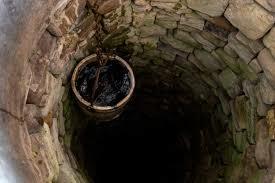
Jesus left Judea and returned to Galilee. He had to travel through Samaria. So he came to a city in Samaria called Sychar, near the property that Jacob had given to his son Joseph. Jacob’s well was there, and Jesus, worn out from the trip, sat right down beside the well. It was about noon. (John 4:3–6, CEB)
Have you ever known someone who schedules their life to avoid people? Perhaps they shop late at night or take a specific route to work just to be unseen. In the ancient world, the Woman at the Well lived a schedule like this.
Normally, the women of the village would gather at the well early in the morning or late in the evening to draw water together. But this woman came alone, "about noon"—the hottest, most inconvenient hour of the day. She did this because of the shame she carried from her past, a past marked by multiple failed marriages and relationships. She had learned to manage her shame by choosing isolation and hoping for invisibility.
The scene set up by John the writer is deliberate: Jesus, "worn out from the trip," sits down right next to the well. He knows she is coming. He has skipped the direct route and endured a long journey because He "had to travel through Samaria" just to meet her.
This meeting breaks three major rules of the day:
-
Geography: Jews avoided Samaria and Samaritans, believing they were unclean and unfaithful.
-
Gender/Culture: A respected male rabbi would never engage a lone woman in public, especially one with her reputation.
-
Timing: He meets her at the time chosen specifically for isolation, turning her moment of shame into a moment of divine spotlight.
Jesus doesn't just bump into her by chance; He chooses to wait for her.
When Jesus asks her for a drink, He starts a conversation that cuts through her shame with absolute truth and unconditional acceptance. He reveals that He knows everything about her past: "You have had five husbands, and the man you are with now isn't your husband".
Imagine the shock and the sudden relief of being fully seen and completely known, yet not being condemned. Jesus shines a spotlight not on her sin, but on her potential. He doesn't call her out; He calls her up.
He reveals Himself to her as the Messiah and offers the gift she really needs: "living water"—a spiritual connection that never runs dry. This water changes everything, cleansing her shame and replacing her isolation with a burning desire to share her new God-given identity.
She leaves her water jar—the tool of her isolation—and runs straight back to the city that ignored her, shouting, "Come, see a man who told me everything I’ve ever done! Could this possibly be the Christ?".
If Jesus waited for the Samaritan woman at the well at high noon, He is waiting for you now, at your most shameful or isolated hour, ready to offer you the living water that truly satisfies.
Reflection: What "noon-day" routine or habit do you use to intentionally avoid connecting with others or revealing a part of your past?
Prayer: Jesus, thank You for seeking me out and seeing me completely, even when I hide. Give me the courage to leave my shame behind, just like the woman at the well left her water jar. I need Your living water today to wash away my lingering sense of [guilt, fear, isolation, etc.]. Amen.
